A new interaction model
A staged path that supports depth, allows graceful endings, and keeps both people in control of the pace.
 praizenseStart a project
 Conscious matrimony product
Designing matrimony around seriousness, consent, family, and spiritual practice.
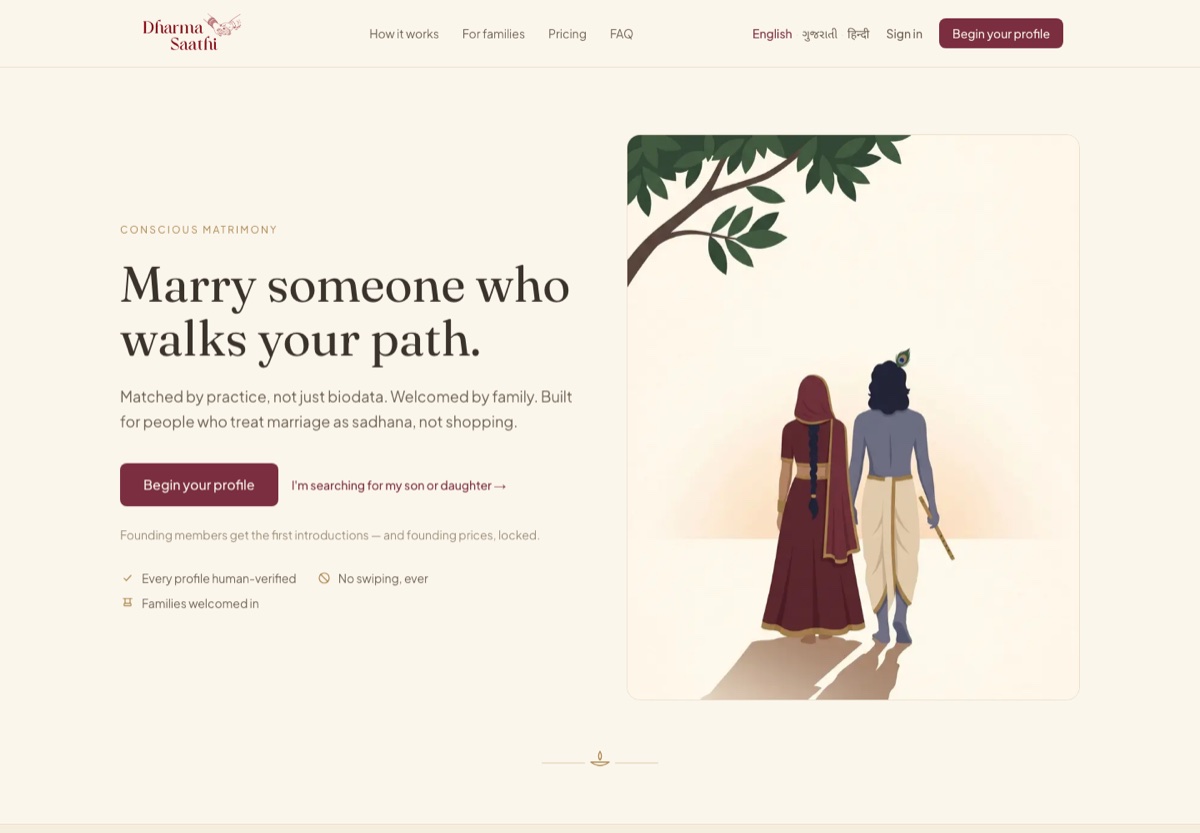
01 / The brief
The experience had to serve individuals and families, respect several spiritual traditions, explain compatibility without reducing people to a score, and place consent around every introduction. It also needed to signal serious intent from the first interaction.
02 / The thinking
We organized the product around Parichay: seven intentional stages from introduction to meeting in person. Voice, video, compatibility, kundli, and family participation appear at the moment they become useful. Each step is chosen, visible, and designed to end with words rather than ghosting.
03 / What this enables
The platform makes a layered proposition understandable in plain language: verified people, no swiping, families welcomed, and consent held throughout. Its warmth and wit make serious safeguards feel human while keeping the purpose unmistakable.
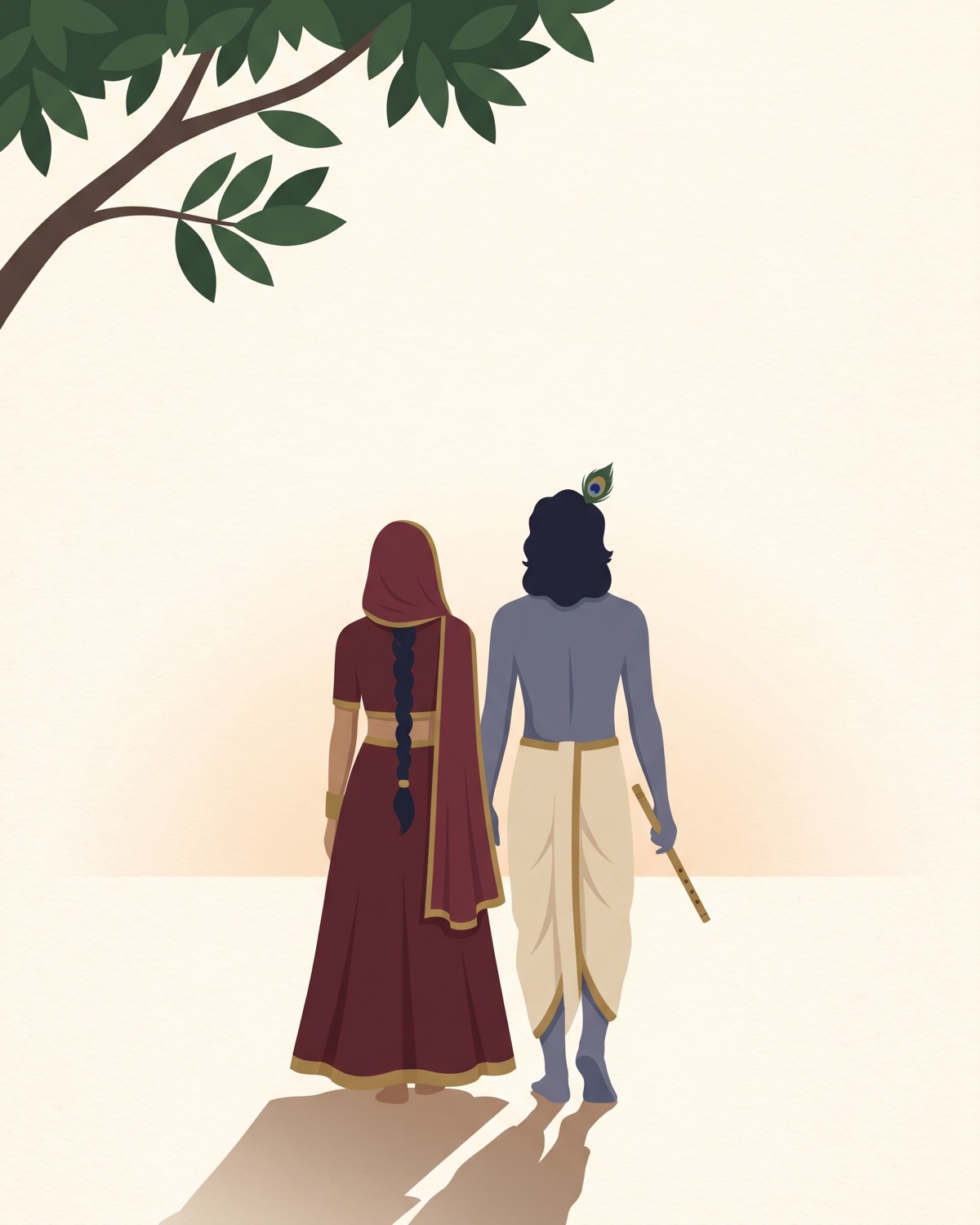
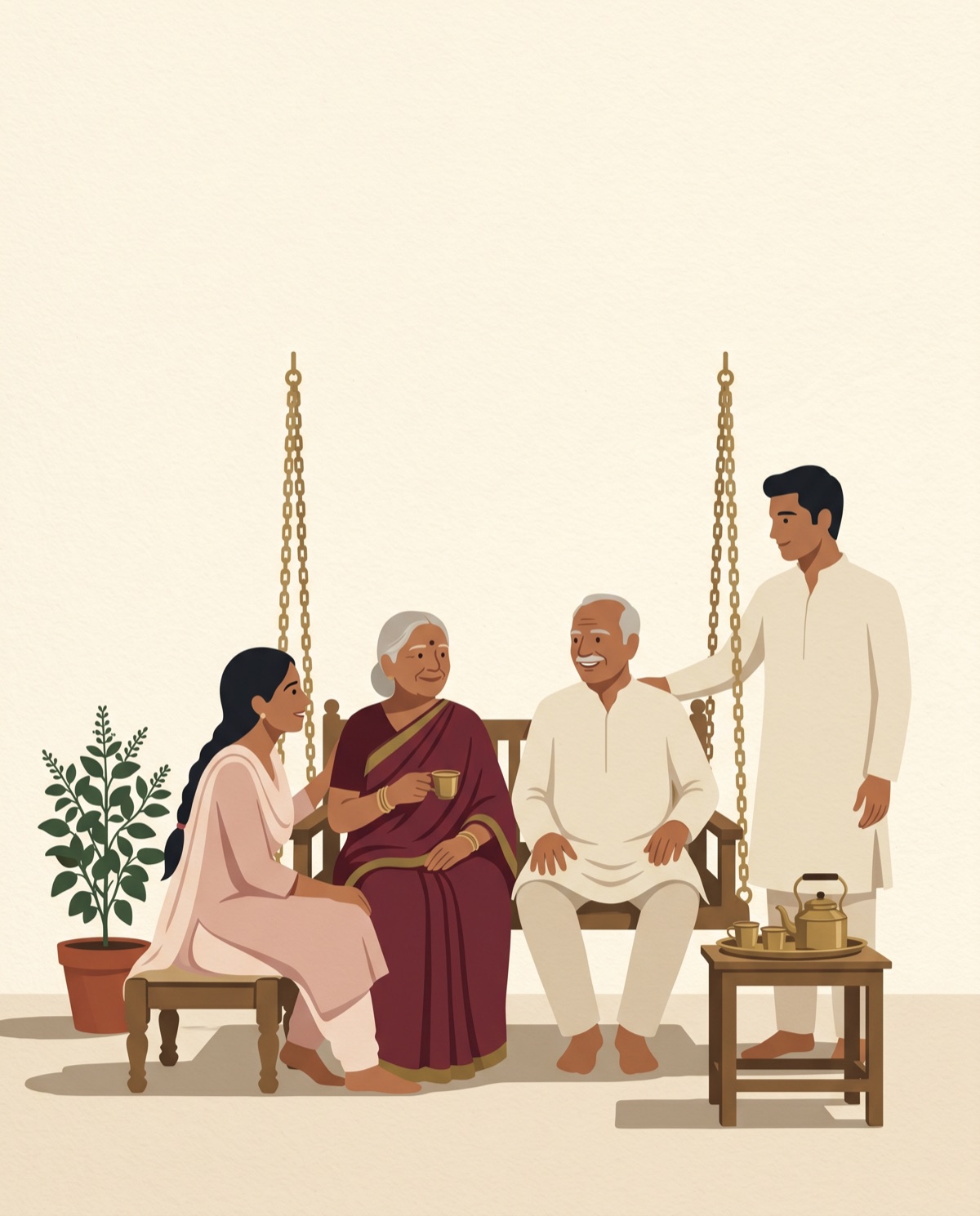
Current live visual system
A closer view of the imagery and experience language currently published across Dharma Saathi.

Experience architecture
The core journey slows the interaction down on purpose. New forms of intimacy and information open only as both people choose to continue.
Practice, path, family, and vision
Guided questions that move beyond small talk
A sixty-second voice introduction
A private call before numbers are exchanged
Shared context, kundli, and life direction
Families join with everyone’s consent
The real-world introduction
Trust architecture
Identity, a live selfie, and family connection form a clear trust floor before the matching experience begins.
What we shaped
A staged path that supports depth, allows graceful endings, and keeps both people in control of the pace.
Dedicated family participation that enables searching and suggestions while preserving the individual’s consent and final say.
Verification, compatibility, pricing, and safeguards translated into direct language across English, Hindi, and Gujarati contexts.
The client experience
The client experience centred on making difficult product decisions visible: who can act, what each person sees, when information is revealed, and how consent is protected at every stage.
We considered seekers, parents, elders, and the people reviewing profiles as distinct participants with different needs, responsibilities, and boundaries.
The client and studio worked through Parichay stage by stage, deciding what earns trust, what creates pressure, and what should require mutual choice.
Trust, verification, family access, and compatibility were reviewed as communication problems as well as technical features.
Choices were checked across the seeker and family experiences so a reassuring moment for one participant never quietly removed agency from another.
Have a complex idea of your own?